

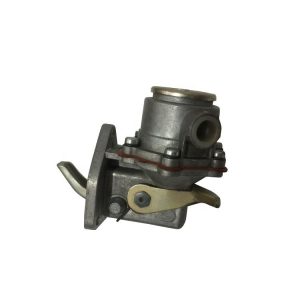
The core considerations for purchasing DEUTZ diesel engine include matching power with working conditions, emission compliance, compatibility of mounting interfaces, environmental adaptability, as well as spare‑parts supply and after‑sales support. Instead of merely referring to nominal power parameters, comprehensive evaluation shall be carried out combined with the actual operating conditions of the complete equipment.
1. Matching of Power and Working Conditions
Calculate the required power according to the actual load type of the equipment. A 10‑15 % power margin is recommended to prevent accelerated wear caused by long‑term full‑load operation of the engine.
Prioritize low‑speed torque output. Construction machinery and mining equipment require sufficient low‑speed torque. For generator sets, distinguish between prime power and standby power; the two sets of parameters shall not be mixed up. Differentiate air‑cooled and water‑cooled models: air‑cooled units are suitable for cold, water‑short and dusty field environments; water‑cooled units are more applicable to scenarios with high‑load continuous operation and strict noise‑reduction requirements.
2. Compliance with Emission Regulations
Confirm the off‑road mobile machinery emission standards applicable in the region where the equipment is used. The engine main body and after‑treatment system shall be fully matched with valid compliance certificates to prevent failure of environmental‑protection acceptance.
The electronically‑controlled TCD series imposes high requirements on fuel quality. Evaluate subsequent maintenance costs for working conditions with poor‑quality fuel. Older air‑cooled models feature low emission levels and are not suitable for urban and environmentally‑controlled areas.
3. Compatibility of Mounting and Hardware Interfaces
Verify specifications of flywheel housing, flywheel, connecting flange, mounting base dimension, exhaust port and layout space for cooling system, to ensure compatibility with existing equipment frames and transmission mechanisms.
For electronically‑controlled models, confirm the ECU communication protocol to guarantee connection with the whole‑machine control system. Meanwhile, check whether the space for heat dissipation, air intake and exhaust meets the original manufacturer’s requirements.
4. Environmental Adaptability
Carry out power derating calculation for working conditions of high altitude, high temperature, extreme cold and heavy dust. Reinforce air filter configuration for dusty environments. Confirm the anti‑corrosion protection grade of components for humid and corrosive conditions.
For sites with poor fuel quality, assess the tolerance of the fuel system and pre‑install oil‑water separators and fine filter devices.
5. Authenticity and Source of Complete Engines
Prioritize supplies from authorized agents. Check the complete‑engine serial number and anti‑counterfeiting marks, and be alert to refurbished, modified and counterfeit engines. Distinguish between German original‑imported versions and domestic joint‑venture versions, as they differ in spare‑parts systems and warranty terms.
When purchasing used or remanufactured engines, give priority to official DEUTZ products and avoid ordinary overhauled units.
6. Spare‑parts Supply and After‑sales Service System
Confirm whether authorized service outlets are available at the project location. Verify the supply cycle of core components such as injectors, turbochargers, cylinder liners and pistons to avoid shutdown risks caused by unavailable spare parts.
Clarify the scope and duration of warranty, and distinguish between complete‑engine warranty and component‑level warranty. For precision fuel injection systems, original spare parts are recommended, since counterfeit parts may lead to serious failures.
7. Whole‑life‑cycle Cost Assessment
For DEUTZ diesel engine, do not only compare purchase prices. Evaluate fuel consumption, maintenance intervals, prices of wearing parts and overhaul costs simultaneously. Electronically‑controlled models require special DEUTZ diagnostic software for maintenance. Exercise caution in model selection if on‑site maintenance conditions are insufficient.